Source reusable recyclable jute bag for shopping, gifts, and promotion
Compare 30 listings for reusable recyclable jute bag options from verified suppliers. Buyers can evaluate customization, printing methods, lead times, and material weights for shopping, gifts, and promotional use across multiple models; compare the available evidence and request quotations based on your requirements.
Key considerations
Products List


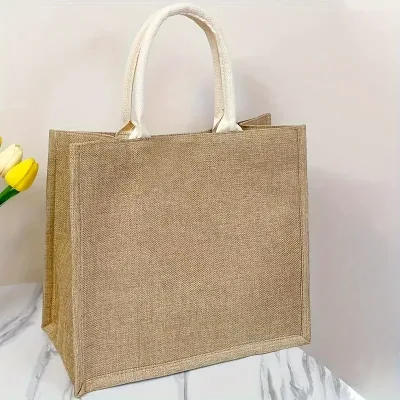
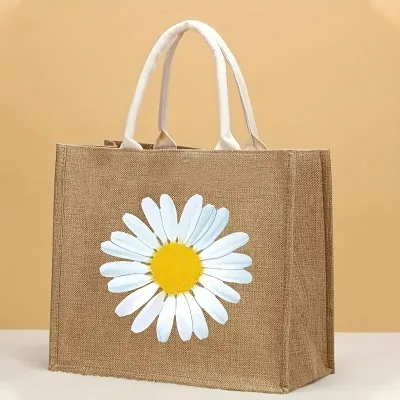

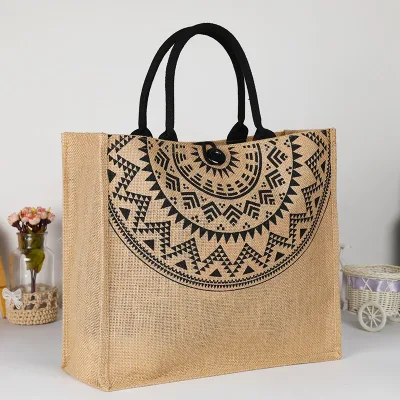


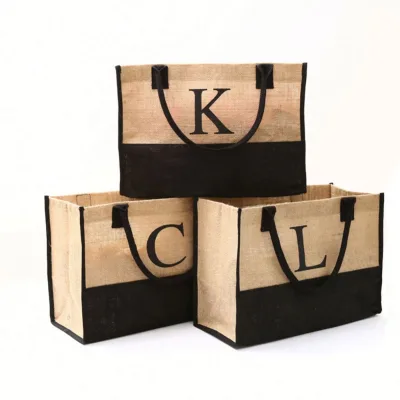


Comprehensive Sourcing Guide
Reusable Recyclable Jute Bag Sourcing Guide
Sourcing durable, eco-friendly packaging requires a clear understanding of material properties and manufacturing capabilities. Jute is a natural fiber known for its strength and biodegradability, making it ideal for sustainable retail and promotional use. Buyers must distinguish between generic woven structures and specialized finishes that enhance durability or aesthetic appeal. The market offers various models, such as MBD4, MBD45, and BRT-EV-066, each potentially serving different functional needs. Understanding these distinctions helps in selecting the right product for specific branding or logistical requirements.
Procurement decisions should also account for customization options, which are frequently available from suppliers. Many manufacturers accept custom orders, allowing for tailored sizes, logos, and printing techniques. This flexibility is crucial for businesses aiming to create unique brand experiences or meet specific dimensional constraints. However, customization often impacts lead times and minimum order quantities. Buyers need to balance their desire for bespoke features with the operational realities of production schedules and inventory management to ensure timely delivery.
Product Scope and Observed Listing Signals
The current market landscape for jute bags includes a wide variety of styles, from simple totes to more complex handled designs. Listings often highlight features such as eco-friendliness, reusability, and durability, which are key selling points for environmentally conscious consumers. The observed product range includes items with weights varying from 9 to 220 GSM, indicating a spectrum from lightweight to heavy-duty applications. This variation allows buyers to select bags that match the weight and value of the products they intend to package, ensuring both protection and aesthetic alignment.
Observed listing signals also reveal diverse printing and branding capabilities. Suppliers offer digital, silk screen, and heat transfer printing methods, enabling high-quality logo application and custom designs. The availability of customized logos and sizes, such as 80×80×100cm or 90×90x110cm, suggests that manufacturers can accommodate specific branding needs. Additionally, the presence of models like MBD1 and MBD58 indicates a structured product catalog, helping buyers navigate options more efficiently. These signals collectively point to a mature supply chain capable of supporting diverse procurement strategies.
Technical Specifications to Verify
Verifying technical specifications is critical to ensuring the bag meets functional requirements. Key attributes to confirm include the number of yarns, which affects the bag's texture and strength, and the width, typically standardized at 55/56 inches for woven fabrics. Buyers should also check the single package size, often listed as 15X15X15 cm, to plan storage and shipping logistics effectively. The hardness rating, described as medium soft, influences the bag's feel and structure, which can impact customer perception and usability in retail settings.
Further verification should focus on the handle type and overall style. Drawstring handles are common, offering a secure closure, while other styles may provide different carrying experiences. The industrial use cases, such as gifts, cosmetics, or jewelry, suggest that the bag's interior and exterior finishes must be appropriate for the intended contents. Buyers must ensure that the material, primarily jute, aligns with the product's protective needs and that the woven technics provide sufficient durability for repeated use without tearing or fraying.
Compliance and Safety Documentation
While specific certifications like GOTS or ISO 14001 are mentioned in background data, buyers should verify their current validity and scope. Compliance with environmental standards is increasingly important for brands committed to sustainability. Documentation should confirm that the jute sourcing and processing adhere to recognized ecological practices, reducing the environmental footprint of the supply chain. Buyers must request up-to-date certificates to ensure that claims of eco-friendliness and recyclability are substantiated by credible third-party verification.
Safety documentation should also address the materials used in printing and finishing. Inks and adhesives must be non-toxic and safe for contact with various products, including food items if applicable. Buyers should inquire about the chemical composition of printing materials to ensure they meet international safety standards. Additionally, verifying the origin of the jute, such as from Zhejiang or Shanghai, can provide insights into the regulatory environment and quality control measures in place at the manufacturing site.
Cost Drivers and Commercial Terms
Cost drivers for jute bags include material quality, customization complexity, and order volume. The observed price range of 0.1-3 USD suggests that basic models are affordable, while highly customized or premium quality bags may command higher prices. Minimum order quantities (MOQ) typically range from 50 to 3000 pieces, with some suppliers requiring 100 or 1000 pieces. Buyers must align their order size with their budget and storage capacity, considering that larger orders often reduce the per-unit cost but increase upfront investment.
Commercial terms also encompass lead times and payment methods. Lead times can vary from 5-7 working days for samples to 10-25 working days for bulk production. Payment options like TT, trade assurance, PayPal, and Western Union offer flexibility but come with different security levels. Buyers should negotiate clear terms regarding shipping methods, such as by sea, air, or courier, and ensure that all costs, including packaging and handling, are transparently stated in the contract to avoid unexpected expenses.
Supplier Qualification and Quality Control
Supplier qualification involves assessing their production capacity, quality control processes, and past performance. Buyers should verify the supplier's ability to handle custom orders and maintain consistent quality across batches. The presence of multiple product models, such as MBD35 and MBD58, indicates a diverse manufacturing capability, but buyers must ensure that the supplier can replicate specific designs accurately. Requesting samples before placing large orders is essential to evaluate the physical quality, print clarity, and overall craftsmanship.
Quality control measures should include inspections for defects in weaving, stitching, and printing. Buyers should inquire about the supplier's internal QC protocols and whether they conduct random checks during production. Additionally, verifying the supplier's experience in exporting to your target market can provide insights into their understanding of international standards and logistics. Establishing a clear communication channel for addressing quality issues post-delivery is also crucial for maintaining long-term supplier relationships and ensuring customer satisfaction.
Long-Term Procurement Checks
Long-term procurement success depends on continuous monitoring of supplier performance and market trends. Buyers should regularly review supplier reliability, including adherence to lead times and quality consistency. Establishing key performance indicators (KPIs) for delivery accuracy and defect rates can help in evaluating supplier effectiveness over time. Additionally, staying informed about changes in material costs and availability can help in negotiating better terms and avoiding supply chain disruptions.
Sustainability practices should also be reassessed periodically to ensure alignment with evolving consumer expectations and regulatory requirements. Buyers should encourage suppliers to adopt innovative eco-friendly practices and report on their environmental impact. Building a resilient supply chain involves diversifying suppliers and maintaining open communication to address potential issues proactively. By focusing on these long-term checks, buyers can ensure that their jute bag procurement strategy remains competitive, sustainable, and cost-effective.
FAQs
What customization options are available for jute bags?
Customization is available for these jute bags, including customized logos and specific sizes. You can choose from digital printing, silk screen printing, or heat transfer printing to apply your branding. The product accepts custom orders with flexible dimensions to meet your specific requirements.
How long does it take to produce these jute bags?
The standard lead time for production is between 10 to 25 working days. Sample preparation typically requires 5 to 7 working days. This timeline ensures quality control while accommodating custom orders for shopping, promotion, or gift purposes.
What is the minimum order quantity for these bags?
The minimum order quantity varies, with observed ranges from 50 to 3000 units depending on the specific model. Some listings indicate an MOQ of 100 pieces, while others may require 1000 pieces. Please verify the exact requirement for your selected product model.
Which printing skills are used for these jute bags?
Multiple printing skills are utilized, including digital printing, silk screen printing, and heat transfer printing. These methods allow for detailed logo application and customization. The surface handling often involves screen printing techniques to ensure durability on the jute material.
Can I get these bags with a custom logo?
Yes, you can get these bags with a customized logo. The product supports logo printing and accepts custom orders. This feature makes them suitable for promotional events, gifts, and supermarket usage where branding is essential for marketing purposes.
What are the available sizes for these jute bags?
Available sizes include 80x80x100cm, 90x90x110cm, and 100x100x120cm, with options for customized dimensions. The width is typically 55 or 56 inches. These sizes accommodate various industrial uses such as gifts, candy, cosmetics, and jewelry packaging.
Where are these jute bags manufactured?
These bags originate from Shanghai and Zhejiang, China. The production location ensures access to established manufacturing capabilities for woven jute products. Buyers can expect consistent quality from these specific regions known for textile production.